Early Perimenopause and Low Progesterone: The First Signs to Recognize
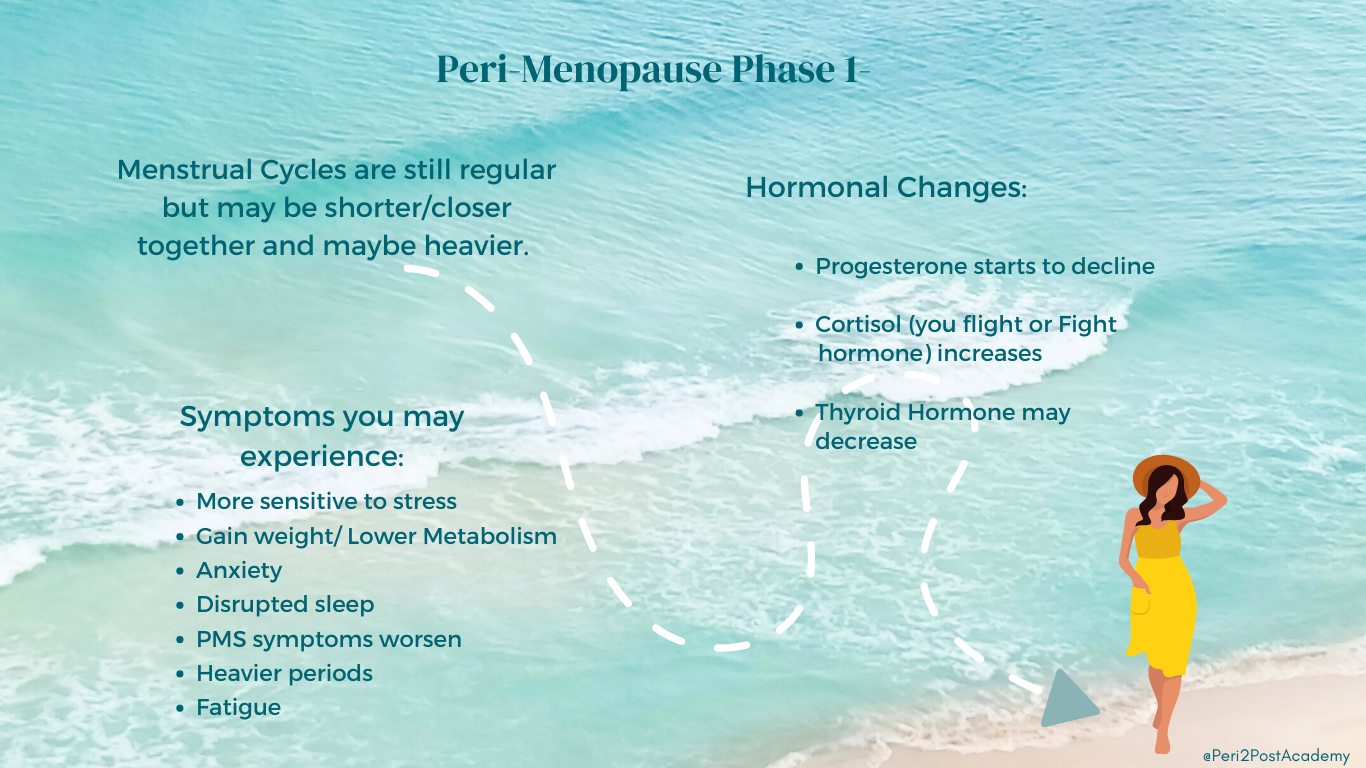
Early perimenopause often begins with declining progesterone, even while menstrual cycles still appear regular.
Many women in their late 30s and 40s experience anxiety, sleep disruption, heavier bleeding, or mood changes before realizing ovulation has become inconsistent.
This first phase of perimenopause is subtle.
But it is not random.
The First Phase of Perimenopause: Lower Progesterone
In early perimenopause, menstrual cycles may still arrive on time. However, ovulation becomes less predictable.
Without ovulation, progesterone is not produced in adequate amounts during the second half of the cycle.
Estrogen levels may not have significantly declined yet. But the ratio between estrogen and progesterone begins to shift.
And that ratio matters.
When progesterone is robust, it tempers estrogen’s stimulating effect on the uterine lining. As progesterone declines, periods may become heavier, mid-cycle spotting can occur, and flow patterns may change.
But progesterone’s influence extends far beyond menstruation.
Progesterone and the Brain
Progesterone plays a regulatory role across multiple systems.
One of its metabolites, allopregnanolone, interacts with GABA receptors in the brain. GABA is the primary calming neurotransmitter.
When progesterone levels are steady, women often experience:
• More stable mood
• Better stress tolerance
• Deeper sleep
• Greater emotional steadiness
When ovulation becomes inconsistent and progesterone declines, anxiety, irritability, and sleep disruption often increase.
This is one reason early perimenopause can feel destabilizing, even before periods change dramatically.
Progesterone and the Stress Axis
Progesterone also influences communication between the brain and adrenal glands, the HPA (hypothalamic–pituitary–adrenal) axis.
When progesterone declines:
• Stress reactivity may increase
• Cortisol rhythms may become less predictable
• Fatigue and hypersensitivity may emerge
These shifts are physiological, not personal.
Why Symptoms Feel So Varied
Because progesterone interacts with multiple systems, early perimenopause rarely presents as one isolated symptom.
Common early signs of low progesterone in perimenopause include:
• Anxiety
• Sleep disruption
• Brain fog
• Heavier periods
• Mid-cycle spotting
• Mood variability
• Bloating
• Fatigue
• Migraines
• Increased inflammation
• Subtle weight gain
These symptoms reflect interconnected hormonal signaling.
They are patterns, not random failures.
Can You Have Low Progesterone If Your Period Is Regular?
Yes.
Ovulation can become inconsistent long before cycles become irregular.
Because progesterone is only produced after ovulation, fewer ovulatory cycles mean lower overall progesterone exposure, even if bleeding appears predictable.
This is why lab values may appear “normal” while symptoms suggest otherwise.
Understanding ovulation patterns is often more informative than a single hormone snapshot.
How Do You Know If Progesterone Is Declining?
Clues may include:
• Shortened or lengthened cycles
• Worsening PMS
• Luteal phase shortening
• Temperature chart irregularities
• Increased anxiety in the second half of the cycle
• Sleep disruption premenstrually
Genetics, life history, stress load, and lifestyle all influence how this transition unfolds.
No two women experience early perimenopause the same way.
Which is why individualized evaluation matters.
The Bigger Picture
Early perimenopause is not a breakdown.
It is a neuroendocrine recalibration that begins with declining ovulation frequency.
When you understand the system behind your symptoms, relief follows.
The goal is not to fight your body.
It is to understand how it is adapting, and respond strategically.
Frequently Asked Questions About Low Progesterone in Early Perimenopause
What is the first sign of perimenopause?
For many women, early signs include anxiety, sleep disruption, and heavier bleeding caused by declining progesterone.
Does low progesterone cause anxiety?
Progesterone influences GABA receptors in the brain. When levels decline, stress sensitivity and anxiety may increase.
Can you be in perimenopause if your cycle is still regular?
Yes. Ovulation inconsistency often precedes cycle irregularity.